



View count: 104968

Practice Courses

Practice Education

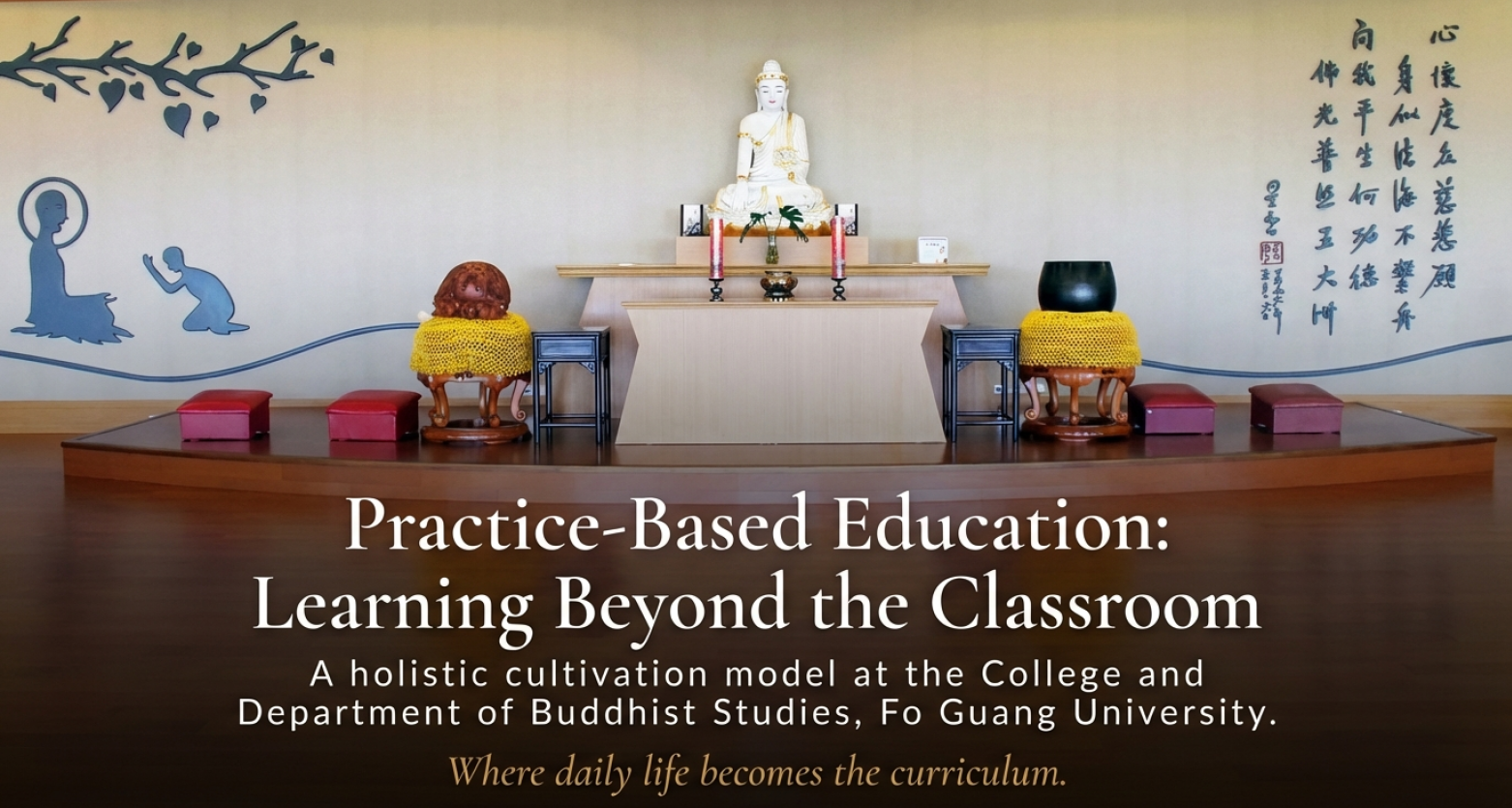
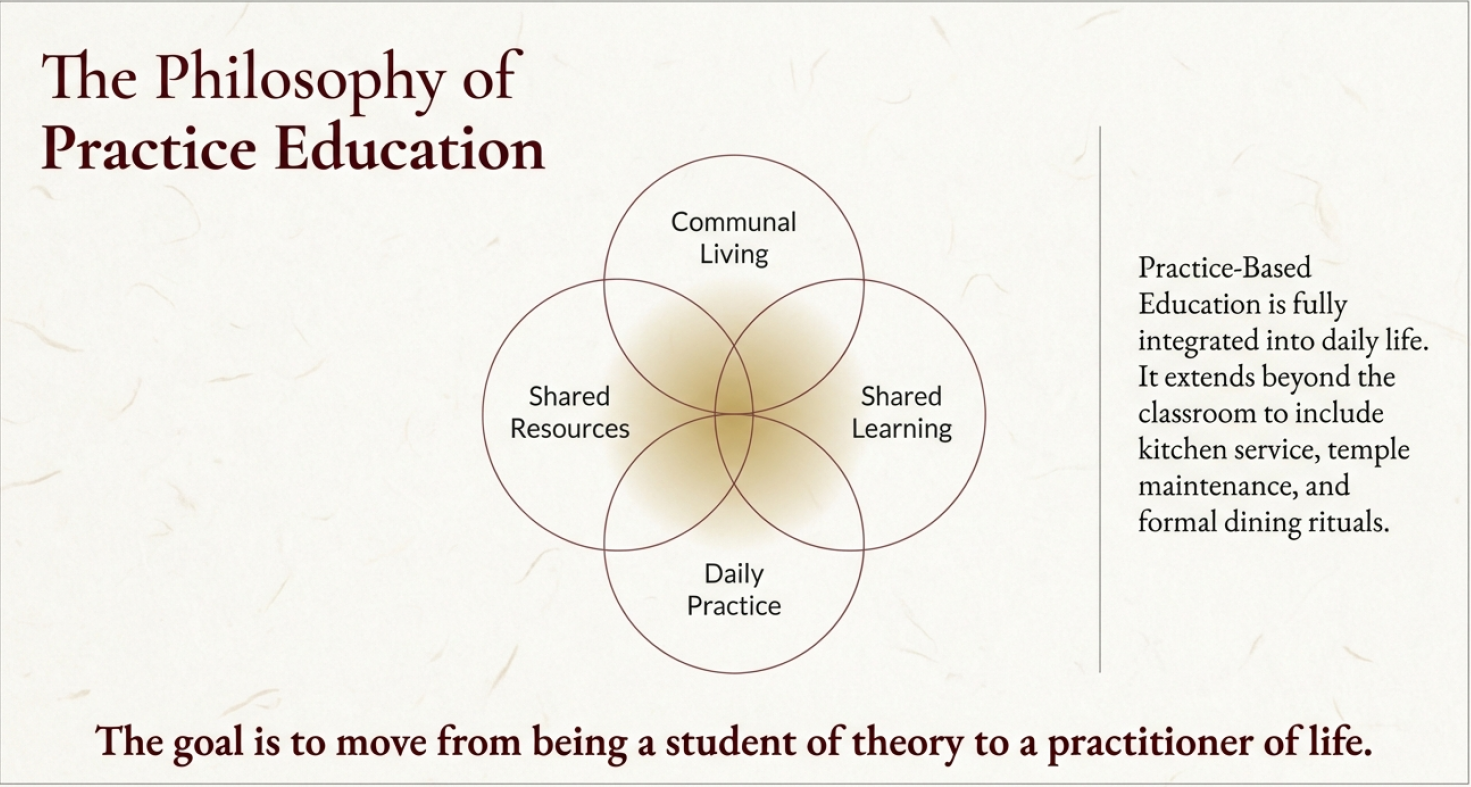
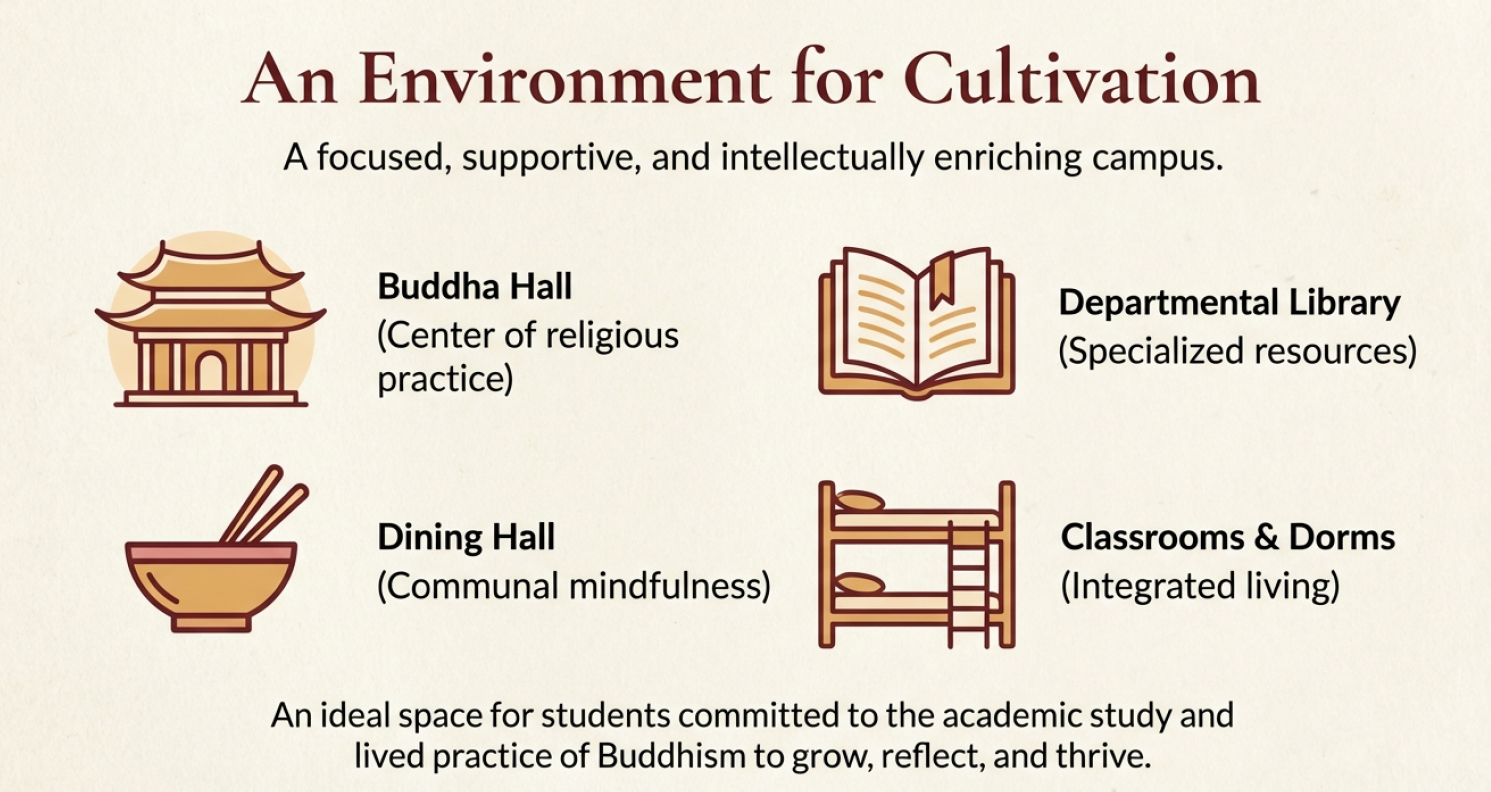
Practice-Based Education is distinguished by its holistic learning model centered on communal living, communal meals, shared learning, and shared resources. Learning extends beyond the classroom and is fully integrated into daily life.

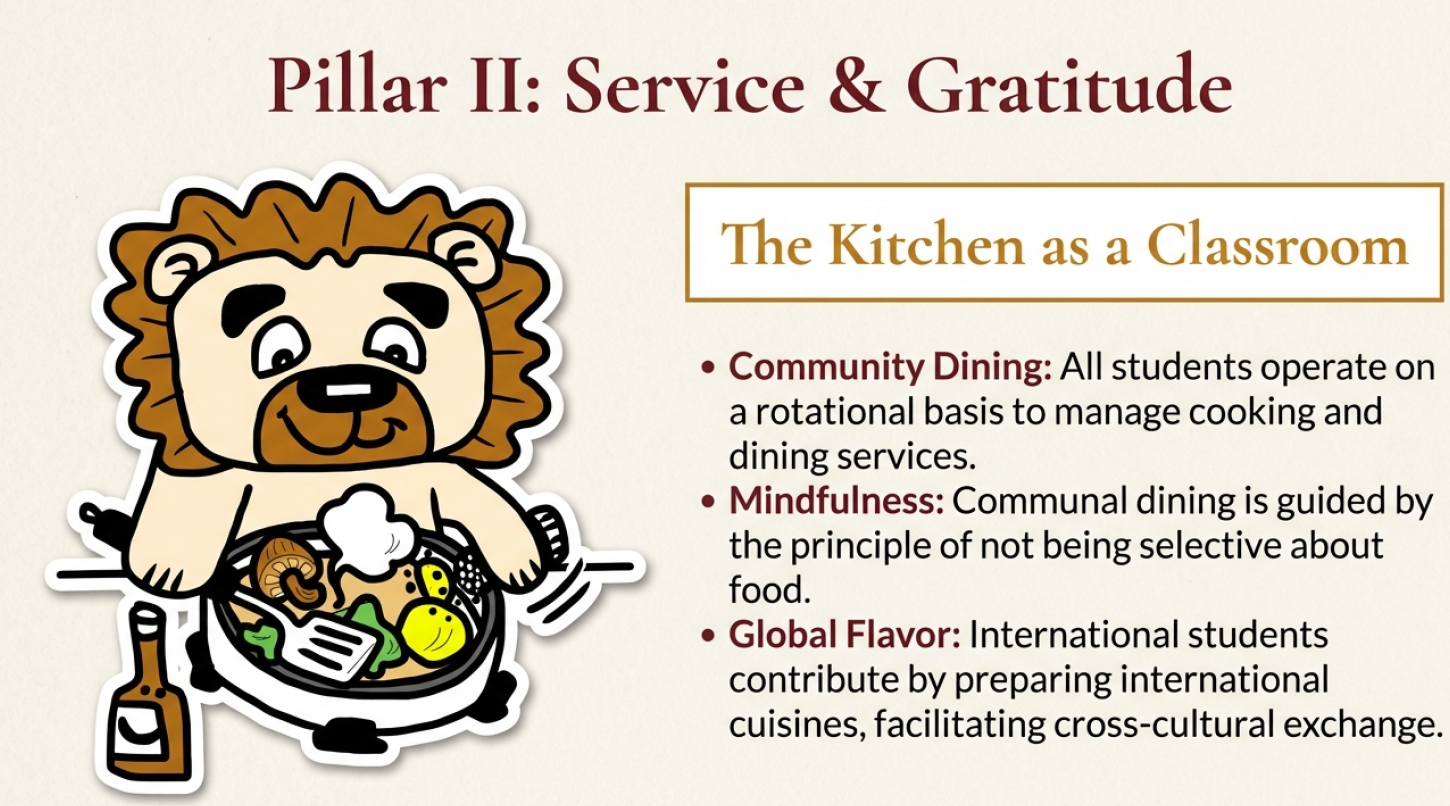
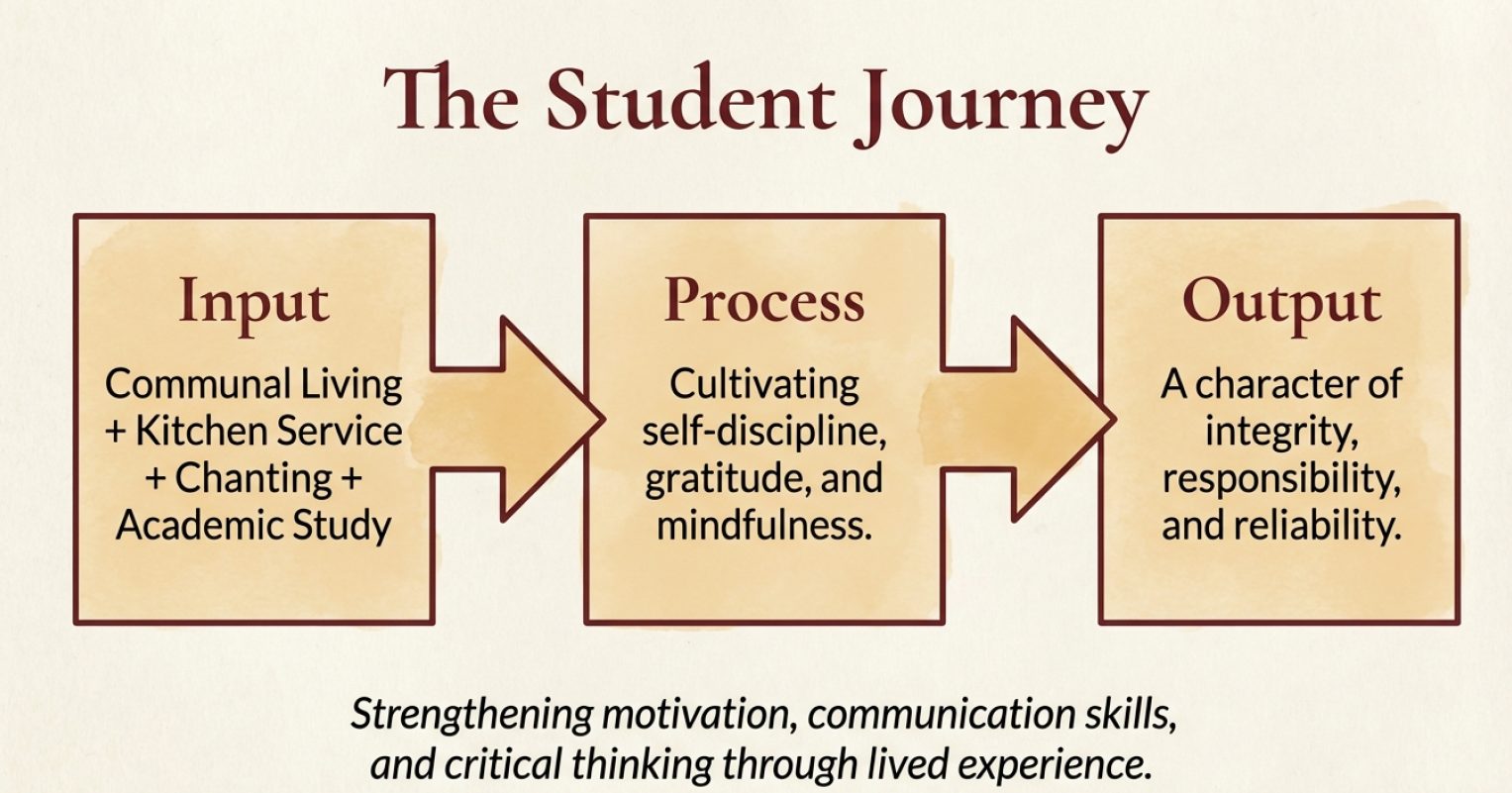
Through everyday practices such as kitchen service, meal service, formal dining rituals, temple maintenance, and morning and evening chanting, students cultivate a spirit of service and altruism, develop a strong sense of responsibility, and gain firsthand experience of the rich traditions of Chinese Buddhist culture. Communal dining, guided by the principle of not being selective about food, fosters gratitude, mindfulness, and respect for resources.

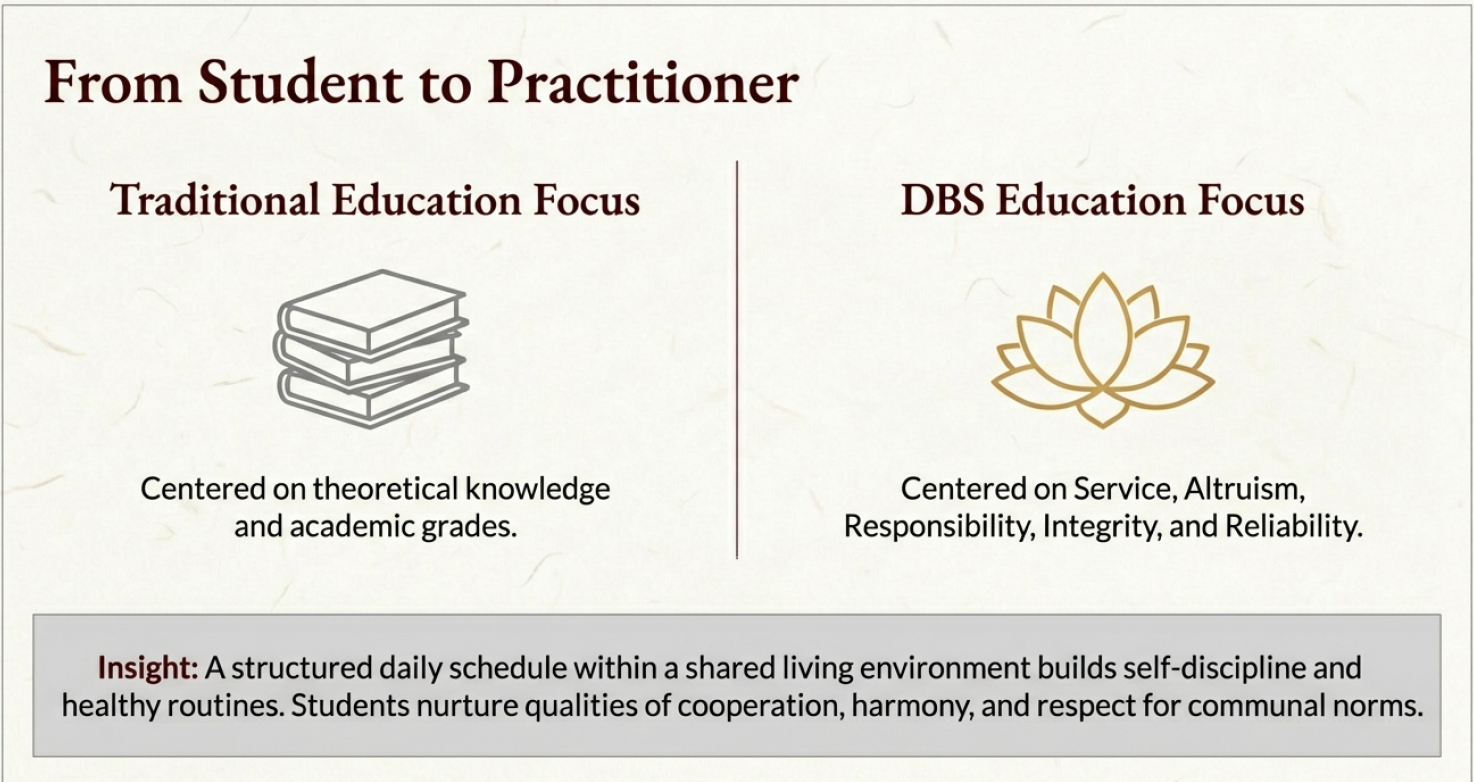
A structured daily schedule within a shared living environment helps students build self-discipline and healthy routines, while nurturing qualities of cooperation, harmony, and respect for communal norms. These experiences gradually shape a character grounded in integrity, responsibility, and reliability. In a shared learning environment, students exchange ideas, learn collaboratively, and support one another, strengthening motivation, communication skills, and critical thinking.

In addition, students enjoy access to dedicated residential and learning facilities within the Buddhist College, creating a focused, supportive, and intellectually enriching environment. This setting offers an ideal space for students committed to the academic study and lived practice of Buddhism to grow, reflect, and thrive.


 Examples of Student Report : Report 1, Report 2, Report 3


The course structure is divided into four main groups:


1. Guest LectureThis is an image
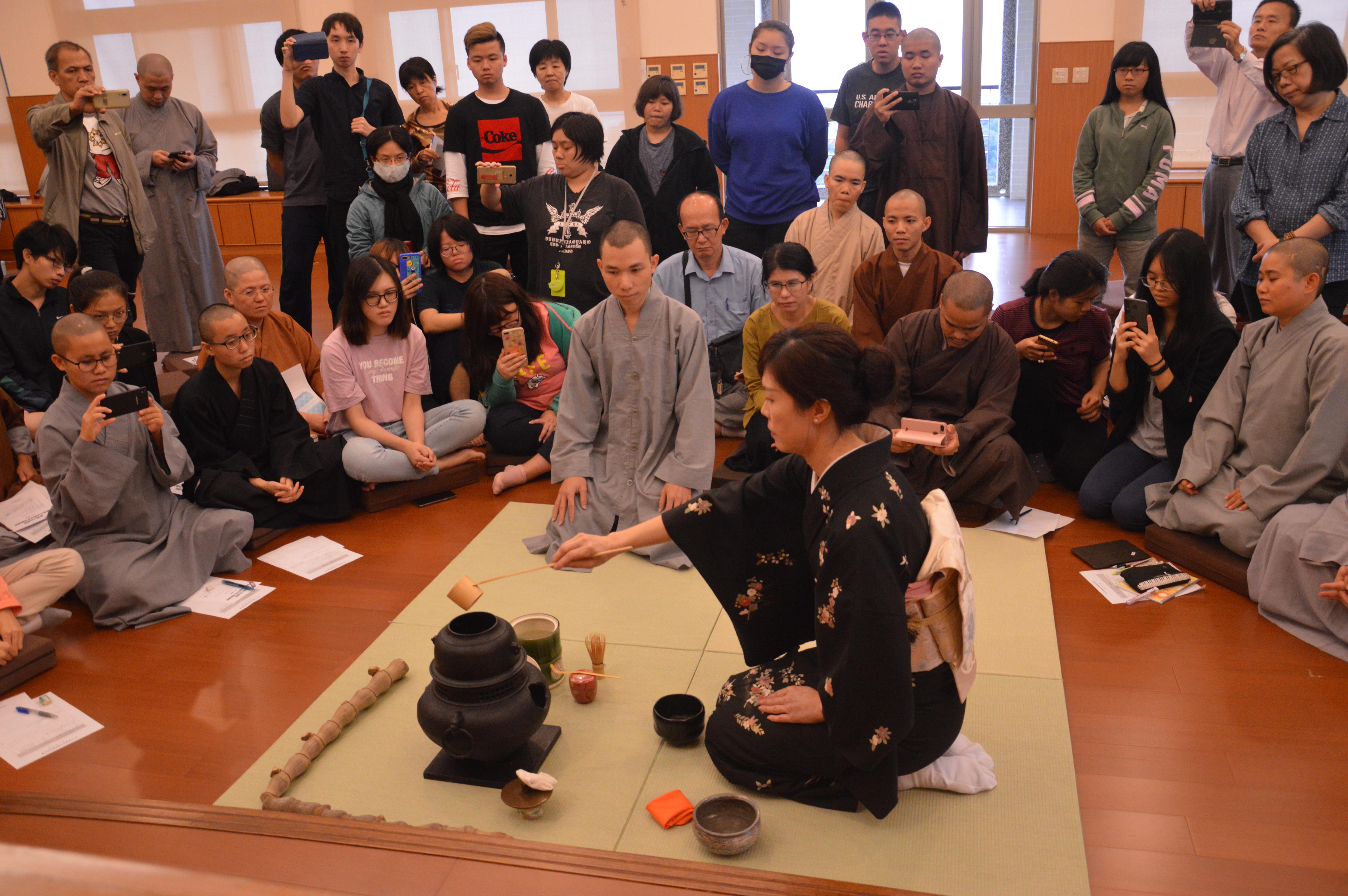
Each semester, the Department of Buddhist Studies (DBS) organizes a series of guest lectures, featuring both external experts and DBS alumni who generously share their knowledge and experiences. These guest lectures are designed to support students in their career planning and help them navigate the challenges of the professional world, while encouraging them to anchor their careers in the wisdom of Buddhist principles.

This is an image

2. Basic Knowledge of Buddhism
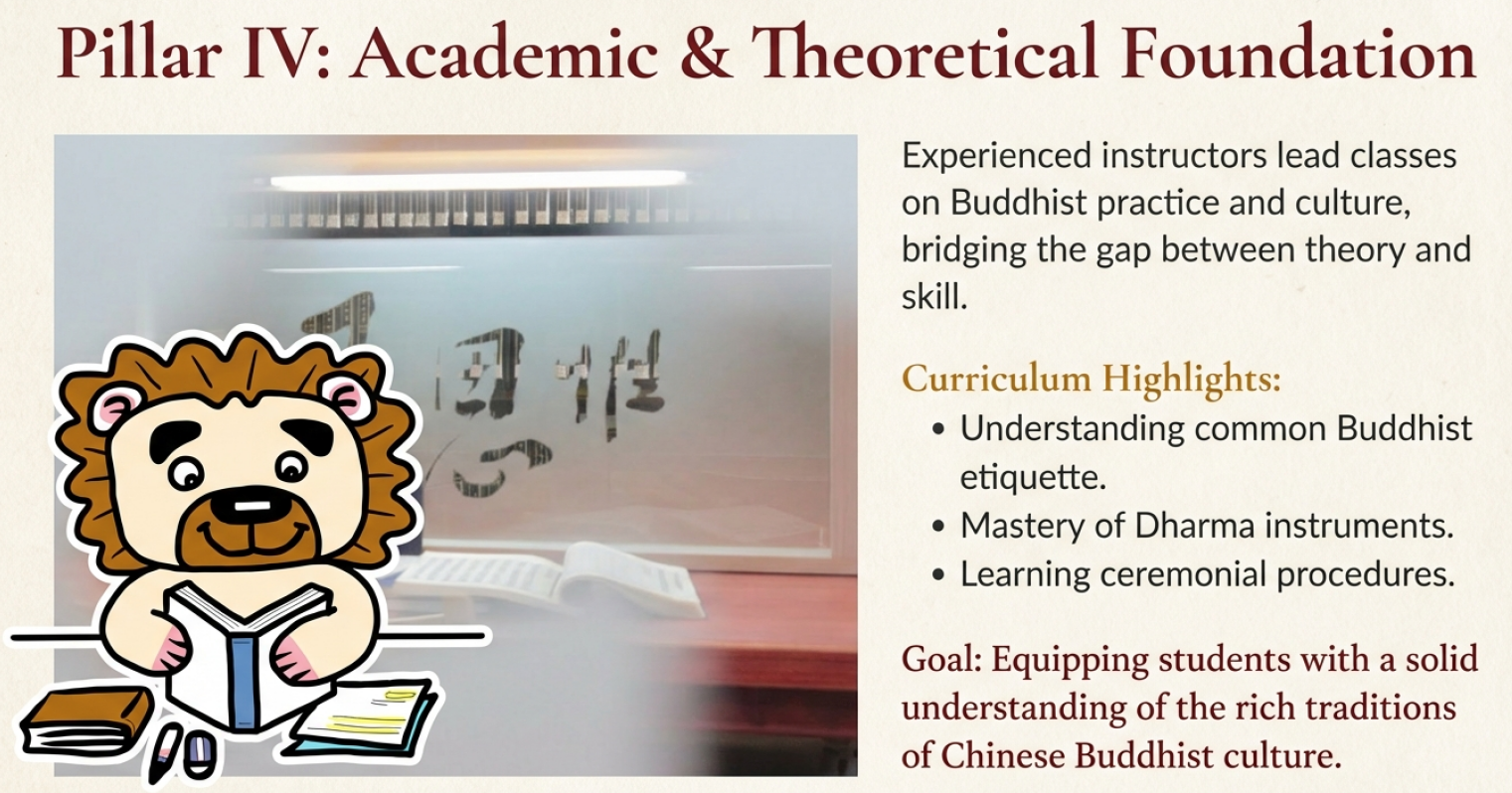
Experienced instructors will lead classes on Buddhist practice and culture, providing students with both theoretical knowledge and practical skills. These lessons will equip students with a solid understanding of common Buddhist etiquette, the use of Dharma instruments, and ceremonial procedures.
This is an image

3. Daily Practice
►Communal Lifestyle:
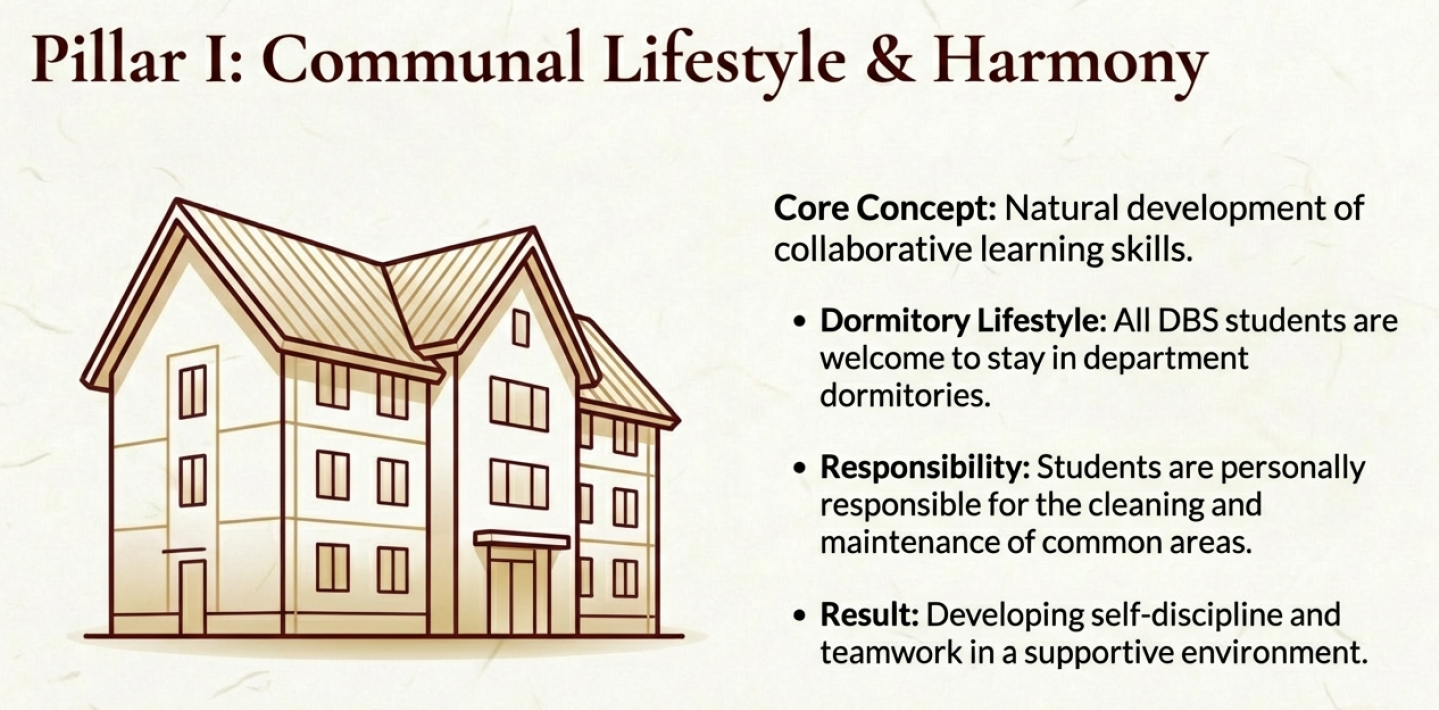
Through communal living, dining, and studying, students will naturally develop both individual and collaborative learning skills, fostering personal growth and teamwork in a supportive environment.

 • Dormitory Lifestyle: All DBS students are welcome to stay at the department dormitories and are responsible for the cleaning and maintenance of the common area.
This is an image
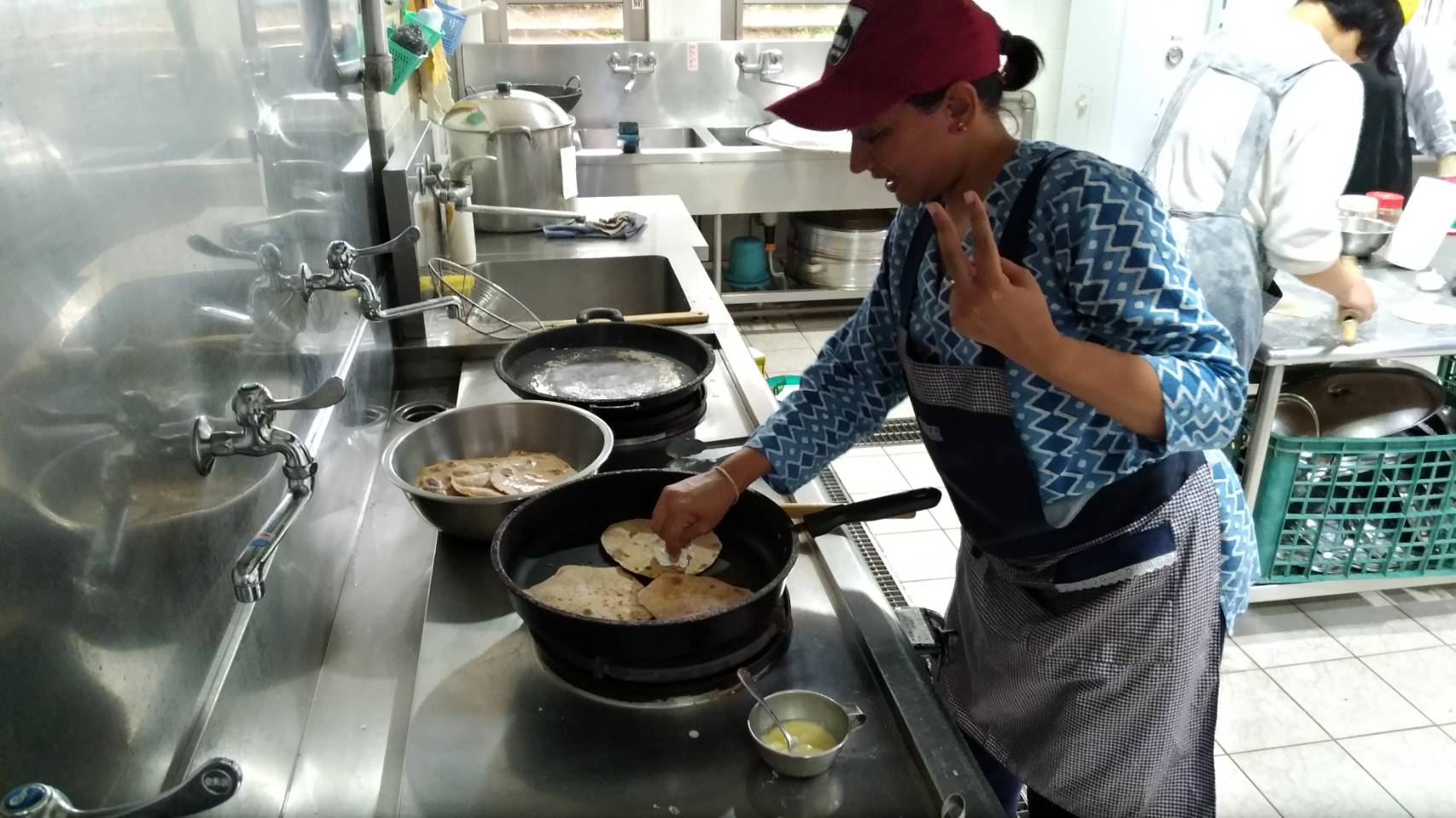
 • Community Dining: All students, on a rotational basis, are in charge of cooking and dining service. Our international students get to enjoy different international cuisines and cross-cultural exchanges.

This is an image  
 
►Religious Practice:

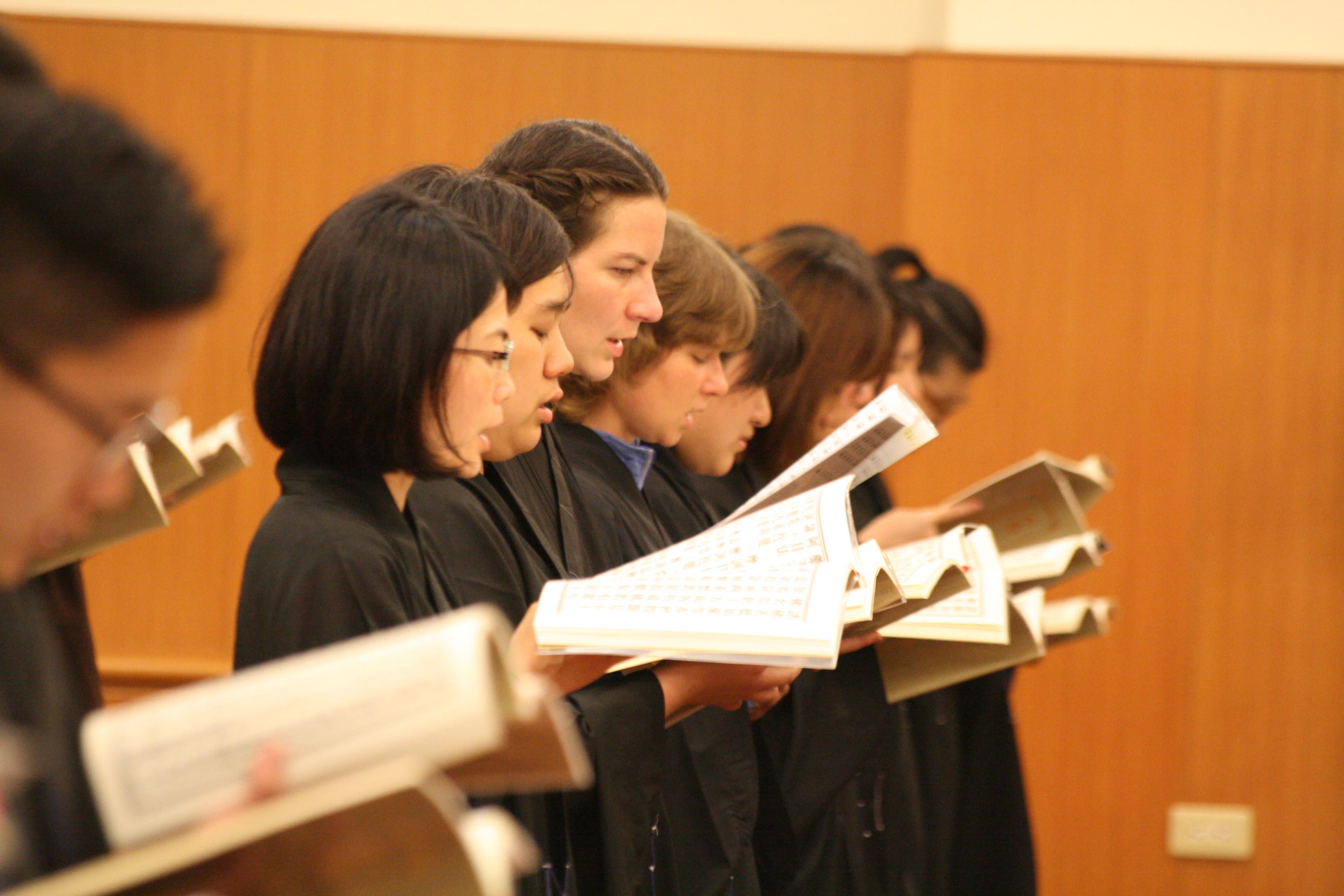
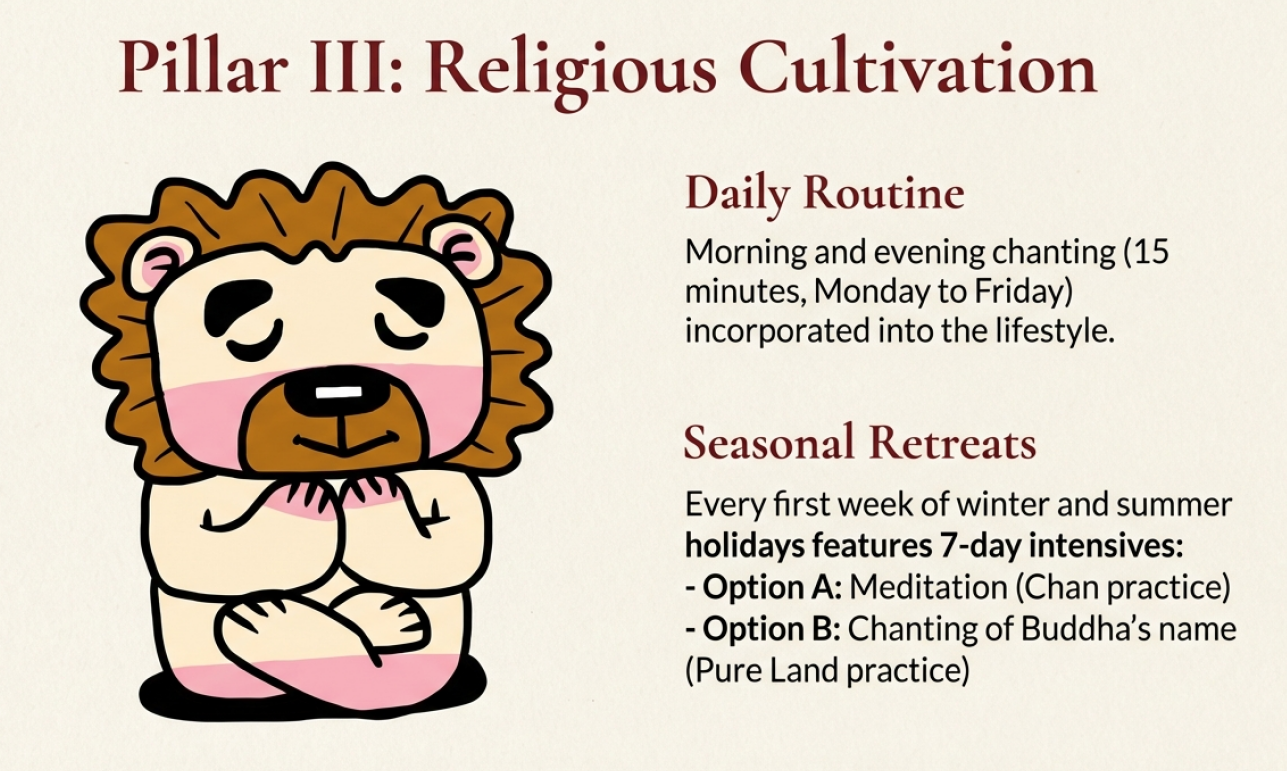
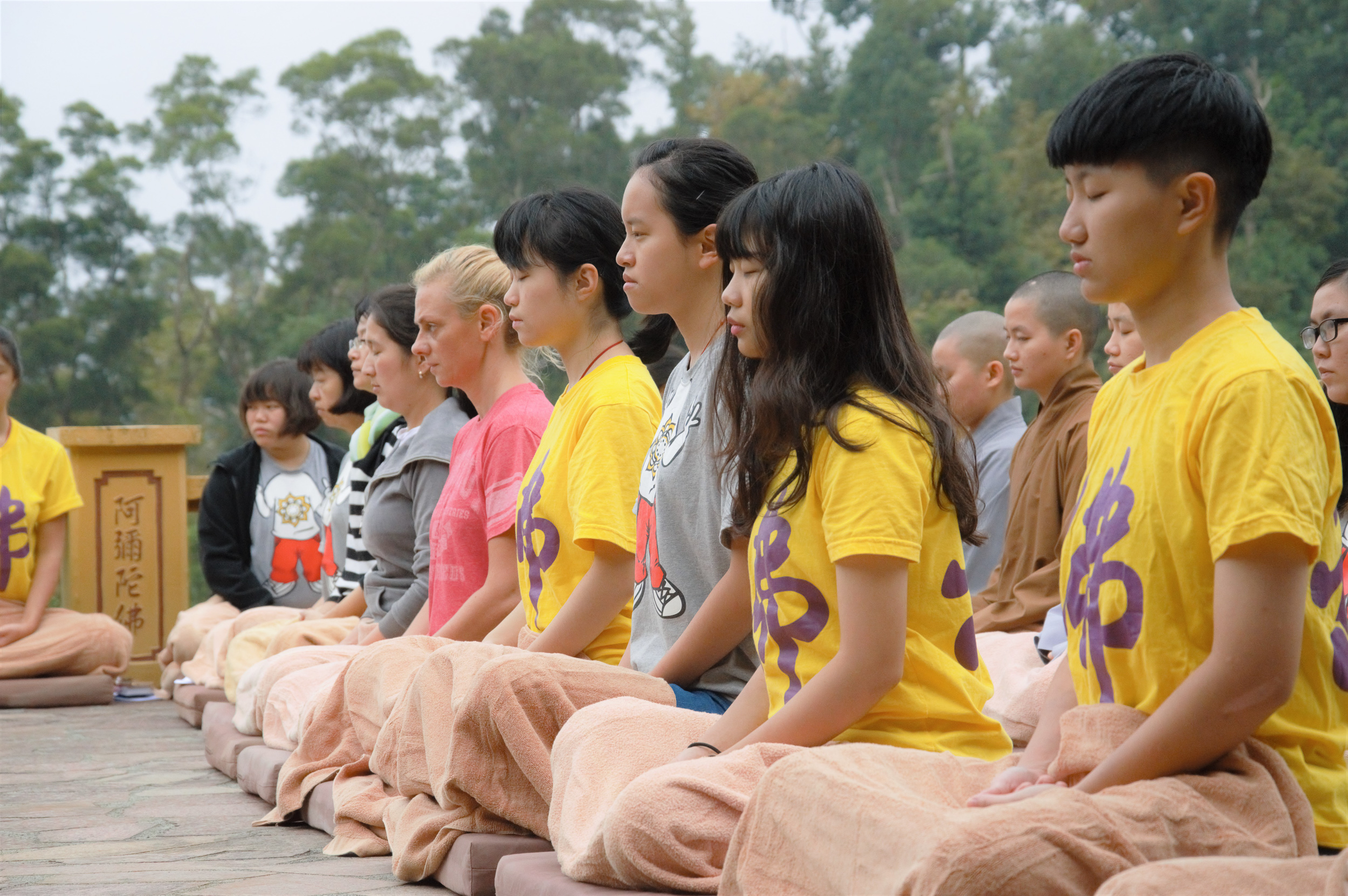
Buddhist practice which includes 15 minutes of morning and evening chanting (Monday to Friday) are incorporated into the structured and disciplined lifestyle.
Every first week of the winter and summer holiday, students will get to experience seven days of meditation (Chan practice) or chanting of Buddha’s name (Pure Land practice).  


This is an image

4. Benefitting the community
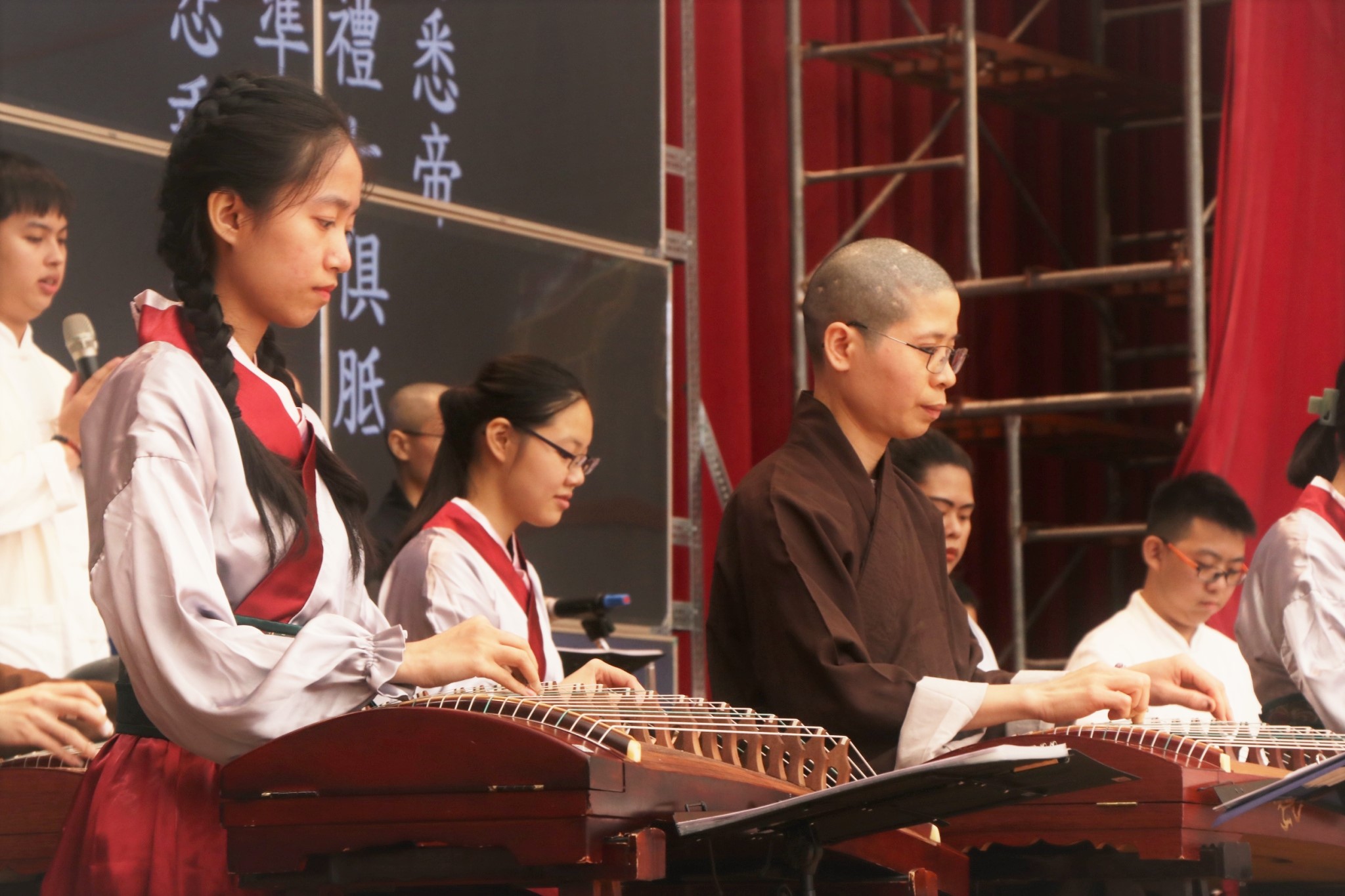
Students have the opportunity to share their knoweldge and skills for benefit of the DBS community by joining one of the student groups. 
This is an image