 Facebook
 Instragram
 College and Department of Buddhist Studies, FGU
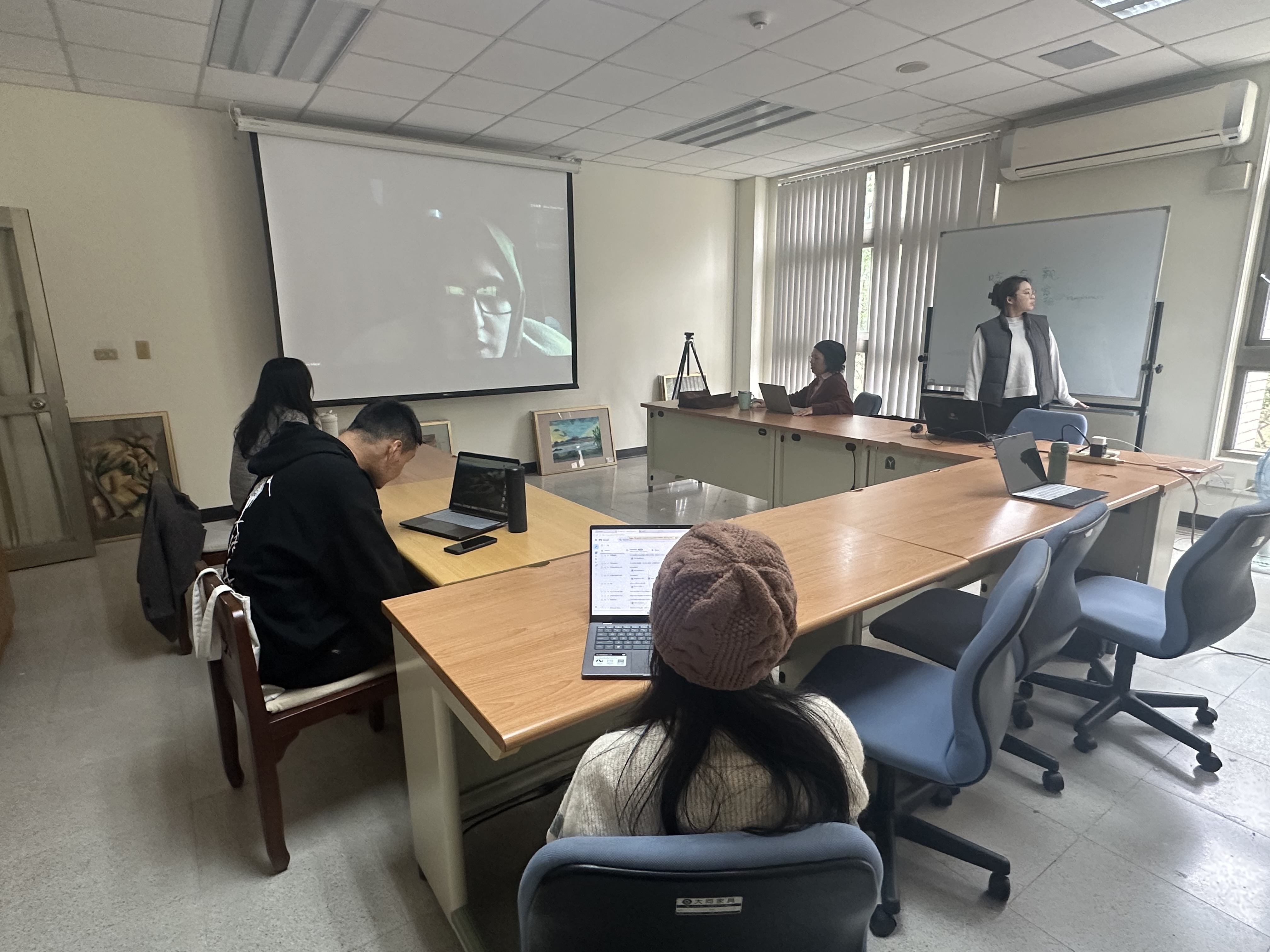
Professor Mayar is a researcher at the Afghanistan Science Academy and a core member of the International Center for Kushan Studies. She has long been devoted to archaeological research and is recognized as one of the leading scholars in the study of Central Asian history and Buddhist archaeology. Since antiquity, Afghanistan had served as a vital hub along the Silk Roads, where Greek, Indian, Persian, and Central Asian cultures intersected, giving rise to the distinctive artistic tradition known as Gandhāra.
Under the theme “Cultural Heritage as a Mirror of History: Afghanistan,” Professor Mayar approached Afghanistan’s past from an archaeological perspective and introduced key Buddhist archaeological sites within the country. The lecture focused on the following locations:
-
Mes Aynak: She explored this vast ancient city and Buddhist monastic complex located above a world-class copper deposit, as well as the serious challenges it faced in terms of preservation.
-
The Buddhas of Bamiyan: She re-examined these world-famous colossal statues, emphasizing how their remains continued to testify to the former splendor of Buddhist devotion even after their destruction.
-
Buddhist Monuments of Kabul: She analyzed the architectural and artistic significance of Buddhist sites in and around the Afghan capital.
-
Fayoz-Tepe: She offered an in-depth discussion of the site’s historical importance during the period of the Kushan Empire.
This lecture not only deepened understanding of Afghanistan’s cultural heritage, but also provided a valuable platform for interdisciplinary dialogue among Buddhist studies, archaeology, and heritage preservation. Through the insights shared by an international scholar, the event broadened students’ global perspectives and inspired new directions for research and scholarly imagination.